
Some cities in Europe sound like perfect places to visit — until you actually get there. It’s very common for first-time visitors to pick destinations based on name recognition or size, but in several cases that can lead to a disappointing trip.
In this guide, I’ll go through 7 large and famous European cities that aren’t really worth much of your time, along with much better alternatives that offer more charm, more interesting sights, or simply a better overall experience.
This isn’t about avoiding these cities completely — most of them are pleasant enough for a short visit — but if you want to get the most out of your time in Europe, you’re often better off focusing elsewhere.
1. Zurich - Skip it for Lucerne or the Lauterbrunnen Valley
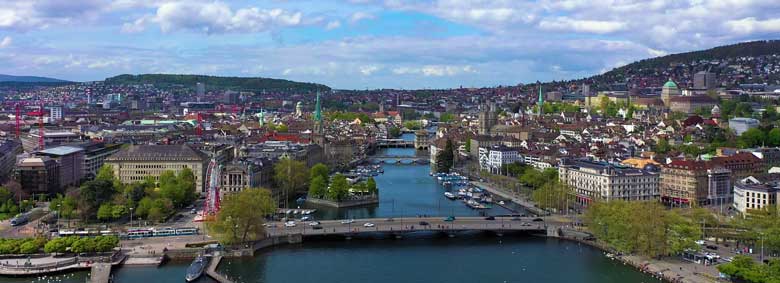 Zurich is a beautiful and extremely well-run city, set along a lake with a tidy historic center and easy public transport. It’s also one of the most expensive places in Europe, and for most visitors, the experience doesn’t quite justify the cost. You can stroll the old town, walk along the river, and enjoy the lake views, but there are very few sights that feel essential or memorable in the way people expect from a top-tier European destination.
The bigger issue is that Zurich simply isn’t where Switzerland really shines. Most people visit Switzerland for the scenery — dramatic mountains, waterfalls, alpine villages — and you won’t find much of that in or around Zurich itself. Instead, that classic “Swiss postcard” experience is concentrated in places like the Lauterbrunnen Valley, Interlaken, and the Lucerne region.
Lauterbrunnen in particular feels like a different world, with towering cliffs, dozens of waterfalls, and tiny villages like Gimmelwald that look almost unreal. Lucerne offers a great mix of scenery and accessibility, with a charming old town and several nearby mountain excursions. Both options give you a much stronger sense of why Switzerland is so famous, and they often feel more memorable even if they aren’t dramatically cheaper.
2. Brussels - Better as a stop than a destination
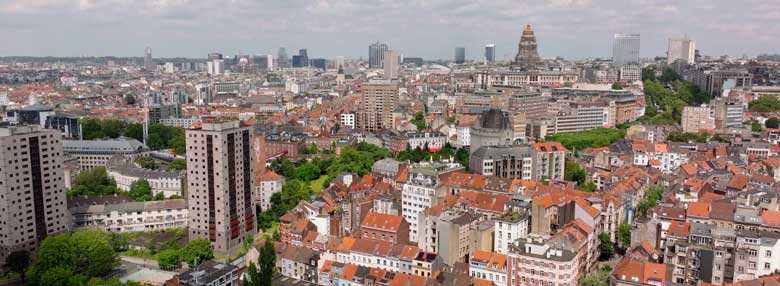 Brussels has one of the most impressive town squares in Europe — the Grand Place — and it’s absolutely worth seeing. The buildings are stunning, especially at night, and it’s easy to understand why it’s such a popular stop. The problem is that once you’ve spent some time there, the rest of the city doesn’t quite measure up.
Beyond the main square, there are a few additional sights like Manneken Pis and some museums, but none of them feel like major draws on their own. The city’s role as a political and business hub means it’s full of office buildings, government institutions, and a steady stream of business travelers. That gives it a more functional feel compared to other European destinations, and it’s reflected in the relatively high prices for food, hotels, and entertainment.
One advantage Brussels does have is its location. It’s extremely well connected by train, which makes it easy to visit for a few hours on the way between cities. That’s really the ideal way to experience it — arrive, see the Grand Place, maybe have a meal, and then move on.
For a longer stay, Bruges and Ghent are much better choices. Both are smaller, more atmospheric, and far more enjoyable to explore on foot, with canals, historic buildings, and a much more relaxed pace that most travelers are actually looking for.
3. Dublin - Overpriced and underwhelming compared to the rest of Ireland
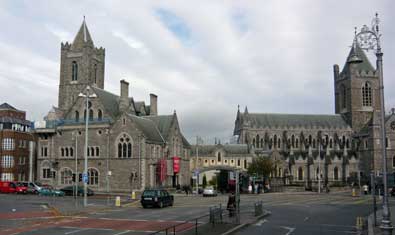 Dublin is often the first stop for visitors to Ireland, and it has a reputation as a lively and historic capital. In reality, it’s a pleasant city with a strong pub culture, but it doesn’t have the same depth of must-see sights as other major European capitals. After visiting the Guinness Storehouse, Trinity College, and a couple of other highlights, many travelers find themselves running out of things to do more quickly than expected.
Part of the issue is comparison. Cities like London and Edinburgh are packed with iconic landmarks, museums, and historic sites, while Dublin’s main attractions feel a bit more limited. Even some of its top sights — like the Book of Kells or Kilmainham Gaol — are interesting but not necessarily “wow” experiences for everyone. At the same time, Dublin is quite expensive, especially for accommodation and dining, which can make the value feel even lower.
Where Ireland really stands out is outside the capital. The countryside, small towns, and secondary cities offer a completely different experience, with dramatic coastlines, historic castles, and a much stronger sense of place. Galway is a great example — it’s smaller, more relaxed, and full of character, and it serves as a gateway to areas like Connemara and the Cliffs of Moher.
Dublin is still worth a short visit, especially for first-time travelers, but it works best as a starting point rather than the main focus of your trip.
4. Milan - Big name, limited payoff
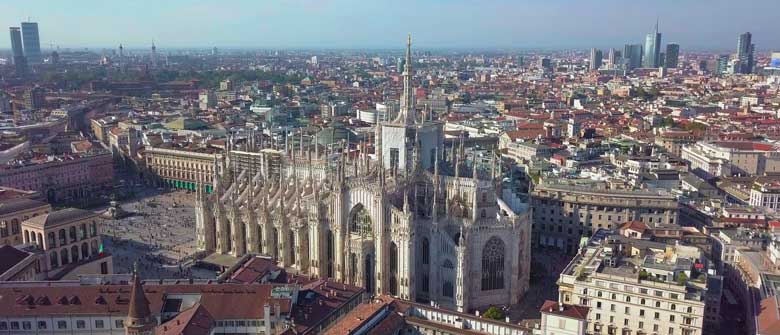 Milan is one of Italy’s largest cities and an important center for finance and fashion, but those strengths don’t translate especially well for tourists. When you arrive, it feels like a big, modern city, with busy streets and a more business-oriented atmosphere than you might expect from an Italian destination.
There are a few standout sights. The Duomo is genuinely impressive, and the Galleria Vittorio Emanuele II next to it is worth a quick visit. If you plan well in advance, you can also see Leonardo da Vinci’s “Last Supper,” which is a highlight for many visitors. The problem is that these attractions don’t add up to a full itinerary, especially compared to other Italian cities.
Milan also lacks the cohesive historic atmosphere that places like Florence, Rome, or Venice offer. You can find great restaurants and interesting neighborhoods, but they’re more spread out and less immediately engaging for short-term visitors.
For most travelers, Milan works best as a transit hub or a brief stop. From there, it’s easy to reach destinations that offer a much richer experience. Florence is the most obvious alternative, with world-class art, compact walkability, and a much stronger sense of history. Even smaller cities and towns throughout Italy tend to provide a more immersive and memorable visit.
5. Frankfurt - Convenient, but not compelling
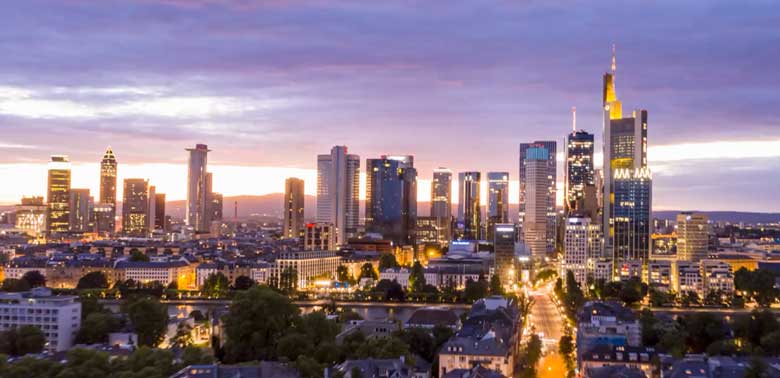 Frankfurt is one of Europe’s busiest air travel hubs, which makes it a common entry point for trips to Germany and beyond. Because of that, many people assume it must be worth spending time in. In reality, it’s primarily an economic and financial center, and tourism isn’t a major focus.
The city was heavily damaged during World War II, and much of what you see today is modern reconstruction. While there are a few restored areas and some pleasant spots along the river, there’s very little that feels historically immersive compared to other German cities. It’s efficient, clean, and easy to navigate, but it doesn’t offer the kind of atmosphere that most travelers are looking for.
Frankfurt also doesn’t have a strong collection of iconic sights. You can fill a day or two if you try, but it rarely feels like a destination you’re glad you prioritized. Instead, it’s best viewed as a starting point.
From Frankfurt, it’s easy to reach places like Munich, which has a much more traditional Bavarian feel, or Salzburg just across the border in Austria, which offers a compact old town and beautiful surroundings. Even smaller German cities tend to provide a more engaging experience than Frankfurt itself.
6. Oslo — Not the Norway you’re looking for
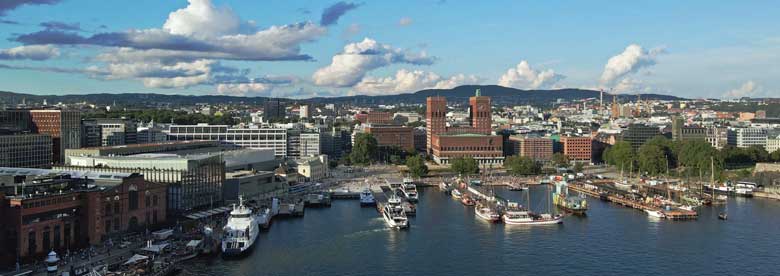 Oslo is a modern, clean, and very livable city, but it’s not the reason most people dream about visiting Norway. Like Zurich, it’s expensive and relatively light on major attractions, and it doesn’t offer the dramatic scenery that defines the country’s reputation.
There are a handful of interesting museums and some pleasant waterfront areas, but nothing that stands out as a must-see on a European scale. If you spent a couple of days there, you’d likely enjoy it, but it probably wouldn’t be the highlight of your trip.
The main issue is location. Norway’s most famous landscapes — the fjords, mountains, and coastal scenery — are found along the western side of the country, far from Oslo. That’s where you’ll find the experiences that make Norway unique.
Bergen is a much better base for exploring this region. It has a charming historic harbor, colorful buildings, and easy access to fjord tours and scenic excursions. If you have more time, you can connect Oslo and Bergen through a scenic route like the “Norway in a Nutshell” itinerary, but if you’re choosing just one, Bergen is the more rewarding option.
7. Helsinki — Pleasant, but forgettable
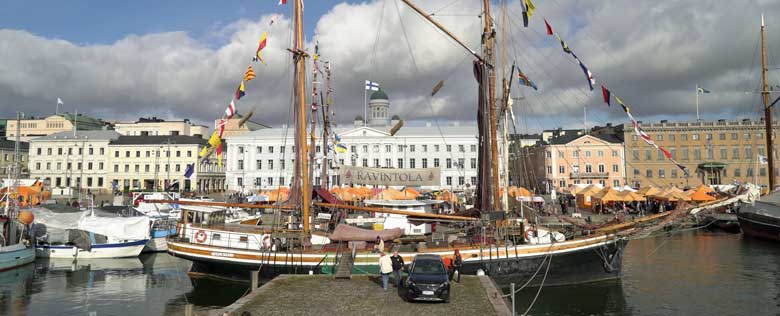 Helsinki is another city that’s perfectly pleasant but doesn’t leave a strong impression for many visitors. It’s clean, efficient, and easy to navigate, but it lacks the standout attractions and atmosphere that define other European capitals.
There are a few interesting sights, such as the Helsinki Cathedral and the Suomenlinna sea fortress, but they don’t carry the same weight as the landmarks you’ll find in cities like Paris, Rome, or even Copenhagen. The food scene is decent, but it doesn’t stand out in a way that would make it a culinary destination.
Like several others on this list, Helsinki is also relatively expensive, which makes the overall value feel lower when compared to other options. It’s a nice place to visit if you’re already in the region, but it’s hard to justify as a primary destination.
If you’re planning a trip to the Nordic countries, you’ll generally get more out of Copenhagen or Stockholm. Both cities offer a stronger mix of history, architecture, and atmosphere, along with a wider range of attractions that feel memorable and unique.
Wrap-up
There’s nothing wrong with any of these cities, and most of them are perfectly pleasant places to visit for a short stop. The key point is that if you’re planning a trip to Europe — especially your first one — your time is usually better spent in places that offer more character, better scenery, or a stronger sense of what makes each country unique.
In many cases, the most famous or largest city isn’t the best choice, and making a small adjustment to your itinerary can lead to a much more memorable trip overall.
If you’re planning a trip to Italy, you might also want to check out my guide on the best places to visit in Italy, which covers a range of cities and regions that offer a much better experience than places like Milan for most travelers.