
Best European Cities to Visit Before Summer Crowds (April to June Guide)
For most travelers, summer seems like the obvious time to visit Europe. The weather is warm, schools are out, and it’s when most people have time to travel. But in many of Europe’s most famous cities, July and August can actually be the worst time to go.
That’s when the biggest crowds arrive, hotel prices are at their highest, and in many places the heat can make sightseeing uncomfortable by the middle of the day. Popular attractions often require reservations weeks in advance, and even then you may still find yourself waiting in long lines just to get inside.
The good news is that there’s a much better option. The months of April, May, and early June offer a sweet spot where the weather is usually pleasant, the crowds are more manageable, and hotel prices are often a bit lower than peak summer.
Below are some of the best European cities to visit before the summer crowds arrive, along with tips on where to stay for a first visit.
1 - Paris, France – Best before summer crowds and long attraction lines
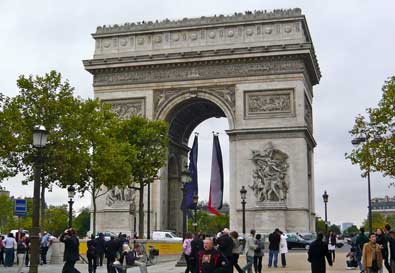 Paris is one of the most famous cities in the world and an amazing place to visit at almost any time of year, but July and August can be surprisingly frustrating. The biggest issue isn’t just the number of visitors in the city itself, but the fact that the most popular attractions are completely overwhelmed. Even if you reserve a time to visit places like the Louvre or the Eiffel Tower, you’ll often still find yourself waiting in long lines just to get inside, and once you’re there the crowds can make the experience feel rushed and less enjoyable.
Spring is a much better time to visit. From April through early June the weather is usually mild and comfortable for walking, and the crowds are noticeably lighter at the major sights. Air conditioning isn’t very common in many older buildings in Paris, so sightseeing during peak summer heat can become exhausting much faster than most visitors expect.
Interestingly, the middle of August can actually feel a bit quieter than the rest of summer because it’s a major holiday period in France and many locals leave the city for vacations elsewhere. Even so, the main tourist areas remain busy, and overall the spring months are still the most pleasant time to explore the city.
Two quick tips for a first visit: the hop-on hop-off bus here may look touristy, but the route is excellent and it’s a great way to get oriented on your first full day. And the one-hour Seine river cruise around sunset is one of those classic experiences that really does live up to the hype.
Where to stay in Paris for your first visit
For where to stay, I recommend looking near the Rue Cler area, which is a charming market street lined with cafés, bakeries, and wine shops just a short walk from the Eiffel Tower. A good example hotel here is the Hotel de La Motte Picquet, which usually runs around $300 per night in spring and has excellent reviews. More importantly, this is an ideal location for sightseeing, so anything close to this area will put you in a great spot for exploring the city.
2 - Rome, Italy – Best before summer heat and overwhelming crowds
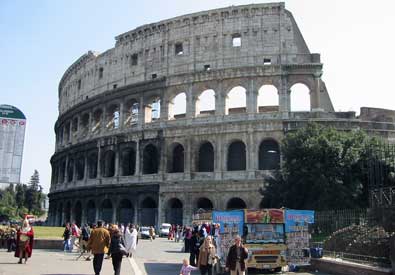 Rome is one of the most fascinating cities in Europe, but it can also be one of the most exhausting to visit in the middle of summer. July and August are often very hot, and because much of the city is built with stone streets and historic buildings, the heat tends to linger and feel even more intense as you walk around.
The crowds are another major factor. Rome feels busy most of the year, but in peak summer the most famous sights are pushed to their limits. Attractions like the Colosseum and the Vatican Museums draw huge numbers of visitors every day, so even with advance reservations you can still expect long lines and very crowded conditions inside.
Rome also has a slightly chaotic feel compared with many other European capitals. Traffic can be unpredictable, sidewalks are often narrow, and even crossing the street can feel stressful at times. Add in high temperatures and heavy crowds, and it’s easy to get worn out by the middle of the afternoon.
Spring is a much better experience. The weather is usually warm but comfortable for walking, and while the city is still lively, it doesn’t feel quite as overwhelming. It’s much easier to enjoy wandering through the historic streets and stopping at cafés along the way.
Where to stay in Rome for your first visit
Public transportation in Rome isn’t especially convenient for visitors, so it’s worth staying in a central area where you can walk to most of the major sights. The neighborhood around the Pantheon is one of the best choices because you’re within easy walking distance of the Trevi Fountain, Piazza Navona, and the Spanish Steps.
A good example hotel here is Pantheon Caesar Relais, which usually runs around $214 per night in spring and has very good reviews. The main reason to consider this area is that it’s an ideal base for sightseeing, so anything close to here will put you within walking distance of many of Rome’s top attractions.
3 - Barcelona, Spain – Best before summer crowds and overtourism peak
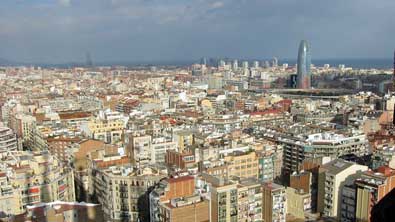 Barcelona is one of Europe’s most vibrant and exciting cities, but it’s also one that has struggled with the impact of mass tourism in recent years. In fact, local residents have openly protested the number of visitors the city receives during peak season, and when you visit in July or August it’s easy to understand why.
The issue is partly that Barcelona’s most famous areas aren’t especially large. Places like La Rambla and the area around the Sagrada Família can become extremely crowded in summer, making it harder to enjoy the architecture, food, and overall atmosphere that make the city so appealing in the first place.
Spring is a much better time to visit. The weather is usually warm and sunny without being overwhelming, and the crowds are noticeably more manageable. It’s much easier to explore on foot, linger at outdoor cafés, and take in the city’s unique character without constantly navigating through dense crowds.
Where to stay in Barcelona for your first visit
Barcelona has a decent public transportation system, but for a first visit it’s still worth staying in a central neighborhood where you can walk to many of the main sights. The Eixample district is one of the best choices because it’s centrally located, relatively calm, and laid out in a grid that makes getting around easy.
A good example hotel here is Hotel Praktik Garden, which usually runs around $314 per night in spring and has very good reviews. More importantly, this area is an ideal base for exploring the city, so anything nearby will give you convenient access to Barcelona’s main attractions without the intensity of staying in the busiest tourist zones.
4 - Venice, Italy – Best before extreme summer crowds
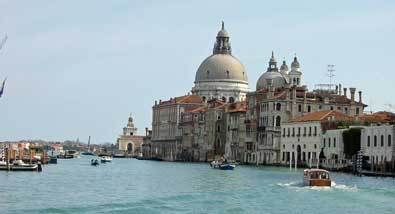 Venice is one of the most unique cities in the world, but it has also been dealing with extreme summer crowds for decades. The historic center is relatively small, and much of the sightseeing takes place along a few main walking routes, which makes congestion especially noticeable during peak season.
In July and August, the route between the Rialto Bridge and St. Mark’s Square can feel like a slow-moving shuffle through a dense crowd. It’s still possible to enjoy Venice in summer, but the experience can be far less relaxing than many visitors expect.
Spring is a much better time to visit. The weather is comfortable for walking, and while Venice is never exactly quiet, the crowds are usually more manageable and the city feels easier to explore at your own pace.
Another important thing to understand about Venice is how the daily visitor patterns work. A large number of people arrive during the day from cruise ships or from hotels on the mainland, which means the city is typically most crowded from mid-morning through the afternoon.
Where to stay in Venice for your first visit
Because of those daytime crowds, it’s worth paying a bit more to stay on the main island itself rather than on the mainland. Early mornings and evenings are noticeably calmer, and that’s when Venice feels most atmospheric.
A good example hotel in a very central location is Residenza Goldoni, which usually runs around $187 per night in spring. Staying near this area puts you within easy walking distance of the Rialto Bridge and other major sights, so anything nearby will give you a very convenient base for exploring the city.
5 - Prague, Czechia – Best before peak summer crowd density
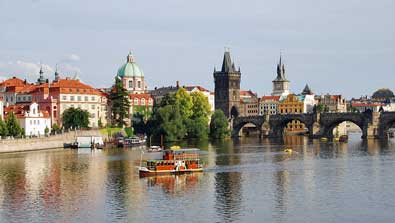 Prague has some of the most impressive historic architecture in Europe, and for many years it was known as a remarkably cheap hidden gem. That reputation helped fuel a huge increase in tourism, and these days the city is firmly on the mainstream travel map.
In the peak summer months, the crowds in the historic center can rival those in places like Venice. The narrow streets around Old Town Square and the route across Charles Bridge can become extremely busy, making it harder to fully appreciate the scenery that makes Prague so special.
Spring is a much better time to visit. The weather is comfortable for walking, the city feels lively without being overwhelming, and hotel prices are often a bit lower than during the summer peak. It’s much easier to explore at a relaxed pace and enjoy the atmosphere without constantly navigating through dense crowds.
Where to stay in Prague for your first visit
Prague has a very good and affordable public transportation system, but it can feel a bit confusing for first-time visitors. Because of that, it’s still worth staying close to the main sights so you can walk most places.
A good example is 7 Tales Apartments by Adrez Living, which usually runs around $118 per night in spring and has excellent reviews. The main advantage of this location is that it puts you right in the historic center, so anything nearby will give you easy access to Prague’s most famous attractions.
6 - Amsterdam, Netherlands – Best before peak summer crowds in a compact city
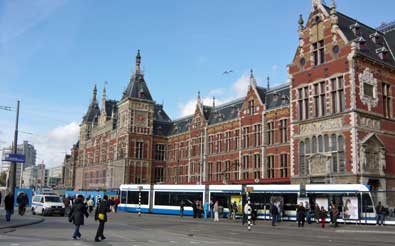 Amsterdam is one of Europe’s most charming cities and a place I’ve spent quite a bit of time, but it’s also one where the summer crowds can feel especially intense. Unlike some southern European cities, the issue here isn’t extreme heat. In fact, you might still want a light jacket even in July.
The real challenge is how compact the historic center is. The main pedestrian routes between the top attractions are relatively narrow, and during peak summer months they can become extremely crowded. Areas around Dam Square and the central canal streets are busy year-round, but in July and August the density of visitors can make it harder to move around comfortably.
Spring is a much better time to visit. The weather is usually pleasant for walking or cycling, and the crowds are noticeably lighter than they are in peak summer. It’s easier to enjoy the canals, museums, and neighborhoods without constantly navigating through packed streets.
Where to stay in Amsterdam for your first visit
Amsterdam has a good public transportation system, but for a first visit it’s still worth paying a bit more to stay within the historic canal district so you can walk to most of the main sights.
A good example is Prinsengracht Hotel, which usually runs around $276 per night in spring and has a great canal-side location. This area puts you within easy walking distance of many of the city’s highlights, so anything nearby will give you a very convenient base for exploring Amsterdam.
7 - Nice, France – Best before peak summer crowds and overpriced beaches
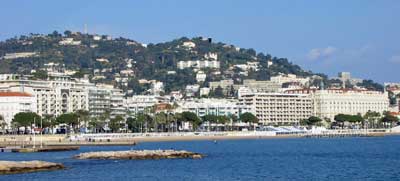 Nice is one of Europe’s most famous summer beach destinations, but it’s also a place where expectations don’t always match reality during peak season. Many travelers imagine wide sandy beaches and a relaxed atmosphere, but in much of southern France and Italy the most popular beaches are extremely crowded in July and August.
In Nice, the beaches are mostly made up of smooth pebbles rather than sand, and many of the best spots require paying for a chair at a crowded beach club just to sit comfortably near the water. Combined with peak-season prices and large crowds, the experience can feel less relaxing than people expect.
Spring is a much better time to visit. The weather is usually warm and pleasant, the crowds are more manageable, and the city itself is far easier to enjoy. Nice is a beautiful place to explore on foot, with a lively old town, scenic waterfront, and easy access to other highlights along the French Riviera.
One of the biggest advantages of staying in Nice is how easy it is to take short train trips to nearby destinations like Cannes and Monaco, both of which are less than an hour away.
Where to stay in Nice for your first visit
For convenience, it’s worth staying near the main train station so you can easily take those day trips without needing taxis or long walks.
A good example is Hotel Du Centre, un hotel AMMI, which usually runs around $147 per night in spring and has excellent reviews. This location gives you easy access to the station as well as the rest of the city, so anything nearby will work well as a base for exploring Nice and the surrounding area.
8 - Lisbon, Portugal – Best before rising summer crowds and higher prices
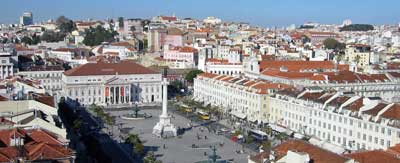 Lisbon has long been considered one of Europe’s most underrated capitals, offering beautiful scenery, great food, and relatively affordable prices compared with other major cities. In recent years, however, the word has clearly gotten out, and tourism numbers have been rising quickly.
While Lisbon isn’t quite as overwhelmed as some other European cities yet, the difference between spring and peak summer is becoming more noticeable. July and August bring larger crowds and higher hotel prices, especially in the most central neighborhoods.
One advantage Lisbon has over many southern European destinations is its climate. Because the city faces the Atlantic Ocean, summer temperatures are usually more moderate than in places like Rome or Barcelona. Even so, spring is still the more enjoyable time to visit, with famously pleasant weather and a more relaxed atmosphere.
Where to stay in Lisbon for your first visit
As with the other cities on this list, staying in a central area is worth the extra cost so you can walk to many of the main sights. Lisbon’s hills can make getting around more tiring than expected, so a good location is especially important here.
A good example is The 7 Hotel, which usually runs around $193 per night in spring and has excellent reviews. This property is located in the Baixa district, which is one of the most convenient areas for a first visit, so anything nearby will give you a great base for exploring the city.
Final thoughts
Timing can make a bigger difference in Europe than many first-time visitors expect. The same cities that feel crowded and exhausting in the middle of summer can feel far more enjoyable just a few weeks earlier, with better weather, shorter lines, and a more relaxed atmosphere overall.
If you’re planning a trip for this year, aiming for April, May, or early June is one of the easiest ways to improve the experience without changing your destination or budget.
For more details on planning your first trip, you can also check out my guide to easy Europe itineraries, which covers simple ways to combine cities like London, Paris, and Rome into a smooth and enjoyable trip.