
8 European Cities to Skip in Summer — and Smarter Alternatives
Some of Europe’s most famous cities are incredible. Paris, Rome, Venice, Barcelona — they all deserve a place on almost anyone’s bucket list.
But July and August can change the experience dramatically.
In many of Europe’s most iconic destinations, summer brings extreme crowding, high prices, long lines, and in some cases punishing heat. The cities themselves don’t change — but the way they feel does. Compact historic centers that are magical in April or October can feel gridlocked in peak season.
That doesn’t mean you should avoid Europe in summer. It just means you should be strategic.
In this guide, I’ll outline eight world-class European cities that are often better visited in spring or fall — and I’ll suggest smarter alternatives that offer a similar vibe, history, or energy, but with more breathing room during the busiest months of the year. Some of these swaps may surprise you.
If summer is your only travel window, you can still have an outstanding European trip — you just need to choose your cities carefully.
If you’re still early in your planning process, you might also want to read my detailed guide to perfect 7–10 day Europe itineraries for first-time travelers, which explains how to structure an efficient route without trying to see too much at once.
1. Skip Paris in Summer: Overwhelming Crowds in a Compact Core
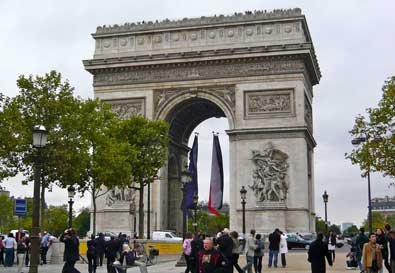 Paris is one of the most beautiful cities in the world, and it absolutely deserves a spot on nearly every Europe itinerary. But in July and August, the tight cluster of major sights becomes its biggest drawback. The Louvre, the Eiffel Tower, and the streets around Notre Dame can feel saturated from mid-morning until evening.
The issue isn’t that Paris becomes bad — it’s that the historic center is physically compact. When millions of visitors pour into a relatively small footprint, even simple things like walking between sights or finding a relaxed café table can turn frustrating. Paris is magical in spring and autumn, but peak summer often tests people’s patience.
Smarter Alternative: London in Summer
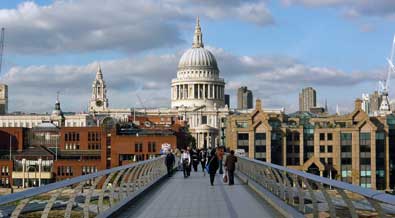 London is just as famous and just as historic, but it handles summer far better. The city is physically larger and far more spread out, which naturally disperses visitors. Even when places like Buckingham Palace or Trafalgar Square are busy, you rarely feel trapped in a sea of tourists.
I lived in London for a full summer and was surprised at how manageable sightseeing felt compared to peak-season Paris. The major attractions are spread across multiple neighborhoods, and the Underground makes it easy to move between them efficiently. You still get world-class museums, iconic landmarks, and vibrant neighborhoods — just without the gridlock feeling.
Another bonus is the weather. London’s summer temperatures are usually mild rather than scorching, making long sightseeing days more pleasant. If summer is your only option, London delivers a similar level of cultural depth and global importance — with noticeably more breathing room.
2. Skip Rome in Summer: Intense Heat and Dense Tourist Zones
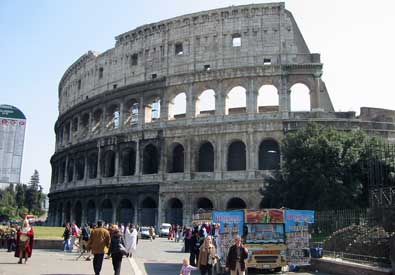 Rome is overwhelming in the best possible way — layer upon layer of ancient history, Renaissance art, and architectural masterpieces. But in July and August, it can feel overwhelming in a different way. The historic core is extremely compact, crowds can rival Paris, and daytime temperatures often climb well into the 90s.
Walking between the Colosseum, the Roman Forum, the Pantheon, and the Vatican in that kind of heat can quickly turn into a chore. Lines are long, shade is limited, and even evenings stay warm. Rome is unforgettable, but peak summer isn’t when it shines brightest.
Smarter Alternative: Istanbul
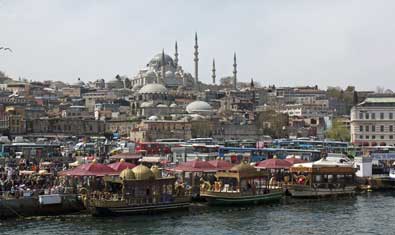 Istanbul offers a similarly deep historical experience — but in a setting that handles summer more comfortably. Like Rome, it has been a major world city for over 2,500 years. You’ve got Hagia Sophia, the Blue Mosque, Topkapi Palace, and the Grand Bazaar, all within reach.
The difference is scale and geography. Istanbul is far more spread out, and breezes off the Bosphorus can make summer days feel more manageable. You can break up sightseeing with a ferry ride between continents, which feels like an attraction in itself.
It’s also typically significantly cheaper than Rome in peak season. You’re still getting world-class history and architecture — just with more space, more air movement, and a bit less physical exhaustion.
3. Skip Barcelona in Summer: Overtourism and Packed Beaches
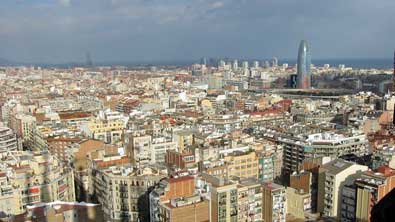 Barcelona is vibrant, energetic, and architecturally unique. But it has also become one of Europe’s most overtouristed cities in peak season. The Gothic Quarter and La Rambla are frequently jammed in July and August, and even the city beaches can feel shoulder-to-shoulder.
Recent years have seen local frustration over the sheer volume of summer visitors, and it’s not hard to understand why. The historic core and beachfront simply weren’t built for the numbers the city now sees at peak times. Barcelona is exciting — but in midsummer it can feel overwhelming.
Smarter Alternative: Valencia
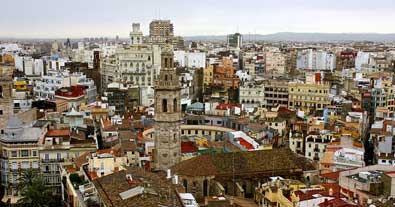 Valencia offers much of the same Mediterranean energy with far fewer crowds. It has beautiful beaches right in town, a lively historic center, and one of Europe’s most striking modern landmarks — the City of Arts and Sciences.
You still get warm evenings, excellent food, and walkable plazas, but without the constant congestion of Barcelona’s busiest areas. Cruise ship traffic is lighter, prices are often lower, and the overall pace feels more relaxed.
In summer, Valencia often feels like Barcelona used to feel — vibrant but not exhausting. For travelers who want culture and beach time in the same trip, it’s a very smart swap.
4. Skip Venice in Summer: Extreme Congestion and Tourist-Heavy Dining
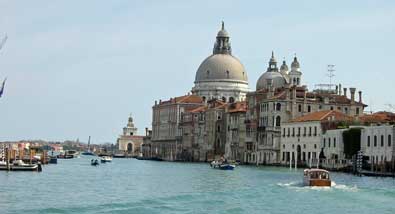 Venice is one of the most visually stunning cities on earth. But in July and August, its narrow streets and limited pedestrian space can become intensely crowded. Day-trippers pour in, tour groups cluster around major sights, and simply crossing a bridge can feel slow.
Another reality many first-time visitors don’t anticipate is the food. Because Venice receives such heavy tourist traffic, many restaurants cater primarily to short-stay visitors rather than culinary quality. Prices are high, and menus often feel designed for convenience over authenticity.
Smarter Alternative: Bologna
Bologna doesn’t have canals — but it does have arguably the best food scene in Italy. If you love Italian cuisine, Venice is often considered one of the worst places in the country to experience it, while Bologna is widely regarded as one of the best.
It’s home to the oldest university in Europe, which gives the city a youthful, intellectual, and slightly edgy atmosphere. The arcaded streets provide shade in summer, and the historic center is compact without feeling claustrophobic.
Bologna also has a reputation for excellent fashion and shopping, and it feels distinctly local rather than tourist-driven. You still get medieval architecture and vibrant piazzas — just with far better meals and far less congestion.
I’ve written in more detail about how to build efficient Italy routes without rushing from city to city in my guide to planning your first trip to Italy.
5. Skip Prague in Summer: Narrow Streets and Heavy Tour Groups
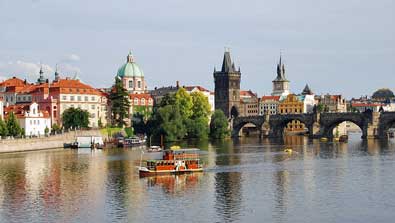 Prague is stunning. Its skyline and Old Town Square look almost theatrical in their beauty. But its popularity has exploded over the past two decades, and in July and August the compact historic core can feel overwhelmed.
Charles Bridge, the castle area, and the main square frequently fill with tour groups. Because much of the city’s appeal is concentrated in a relatively small area, the density becomes noticeable quickly in peak season.
Smarter Alternative: Budapest
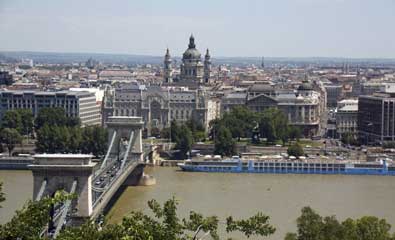 Budapest delivers a remarkably similar Central European experience — but handles summer more comfortably. Both cities straddle a river and feature dramatic historic districts, and the architectural styles feel surprisingly comparable.
I once took a walking tour in Budapest where the guide told us she had helped a tourist find something on their map, only to discover they were using a map of Prague. That’s how similar they can feel at first glance.
The difference is that Budapest is larger and more spread out. Attractions are distributed across both sides of the river, and the thermal baths provide a perfect warm-weather activity. It’s also typically cheaper, making it a very appealing summer alternative.
6. Skip Amsterdam in Summer: Saturated Canals and High Prices
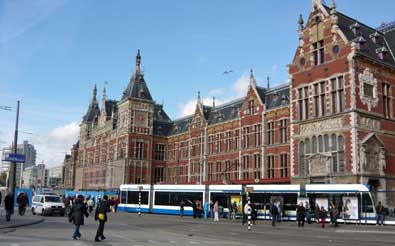 Amsterdam is compact, beautiful, and easy to navigate — which is part of its charm. But that same compactness becomes a challenge in summer. Narrow canal streets, heavy bike traffic, and dense visitor numbers can make peak season feel crowded almost everywhere.
Hotel prices have risen significantly in recent years, and summer demand pushes them even higher. Even frequent visitors often admit that July and August are not the city’s most pleasant months.
Smarter Alternative: Copenhagen or Stockholm
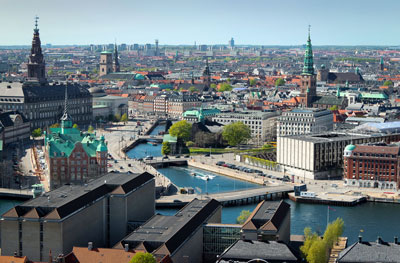 Copenhagen and Stockholm both offer striking waterfront settings, beautiful historic districts, and excellent design culture — but with more space and better crowd distribution in summer.
One of the most memorable aspects of visiting Scandinavia in summer is the daylight. The sun can linger until 10 PM or later, which completely changes the rhythm of your trip. Long evenings make it easy to sightsee at a relaxed pace.
While these cities were once considered far more expensive than Amsterdam, pricing has narrowed in recent years. In peak summer, they can actually feel like better value — and far less claustrophobic.
7. Skip Nice in Summer: Pebble Beaches and Peak-Season Pricing
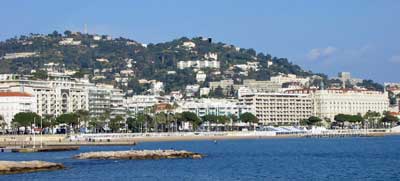 Nice is a lovely city with colorful buildings and easy access to the French Riviera. But its beaches are pebbled rather than sandy, and in peak summer they become extremely crowded and expensive.
The Riviera is a ritual summer destination for many Europeans, so demand remains high regardless of price. If you’re imagining wide, soft sand and peaceful shoreline space, Nice may not deliver that experience in July and August.
Smarter Alternative: Deauville in Normandy
Deauville offers something the Riviera does not — a wide, sandy beach that stretches generously along the Normandy coast. The town itself is elegant and relaxed, with classic French seaside charm.
Summer temperatures here are milder than in the south, which can make beach days more comfortable. There’s also a famous horse racing track that draws an upscale crowd in August, yet the overall atmosphere remains manageable rather than frantic.
If you’re looking for a pleasant European beach experience without Riviera intensity, Deauville is a compelling alternative.
8. Skip Lisbon in Summer: Better Paired With the Algarve
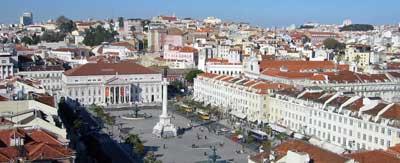 Lisbon actually handles summer better than many cities on this list. It’s breezy and relatively relaxed compared to Rome or Paris. But if you have flexibility, spring is still more comfortable.
In peak season, hills, heat, and steady visitor numbers can add up. Lisbon is wonderful — but summer may not be when it feels its most relaxed.
Smarter Alternative: Lisbon Plus the Algarve
If summer is your only window, a smart approach is to spend a couple of days in Lisbon — and then head south to the Algarve. The region is known for its sandy beaches, dramatic cliffs, and generally more spacious feel.
Towns like Tavira offer a quieter base with deep history — the area dates back thousands of years — and easy access to beautiful beaches. The pace is slower, and accommodations often provide better value than central Lisbon in peak season.
By combining Lisbon’s cultural highlights with beach time in the Algarve, you get a more balanced and less crowded summer experience.
Final Thoughts: Timing Matters More Than People Realize
None of the cities on this list are “bad.” In fact, they’re some of the best destinations in Europe. The issue isn’t quality — it’s timing.
July and August concentrate enormous numbers of travelers into historic city centers that were built centuries before modern tourism existed. That changes the experience more than most first-time visitors expect.
If summer is your only travel window, you don’t need to skip Europe — you just need to choose your cities strategically. The alternatives above offer similar history, beauty, and cultural depth, often with better pacing, lower stress, and sometimes even lower prices.
If you’re still deciding when to go, you may also want to read my guide to the best European cities to visit before summer crowds arrive, where I outline which destinations shine brightest in spring.
Europe is almost always worth the trip — but the right city at the right time makes all the difference.