
Skip These 7 Caribbean Islands – Better (and Often Cheaper) Alternatives
The Caribbean is full of incredible destinations, but the most famous island isn’t always the smartest choice.
Sometimes the popular option is more crowded than people expect. Sometimes prices have climbed so much that the value just isn’t there anymore. And sometimes a nearby alternative offers almost the same beaches and weather — but with better atmosphere or a more memorable sense of place.
None of the islands below are “bad.” In fact, many are excellent for the right traveler. The goal here is simply to look at the trade-offs and consider alternatives that might fit your trip better.
Video of the article below
Skip These 7 Caribbean Islands – Better (and Often Cheaper) Alternatives
1) Aruba → Consider Curaçao Instead
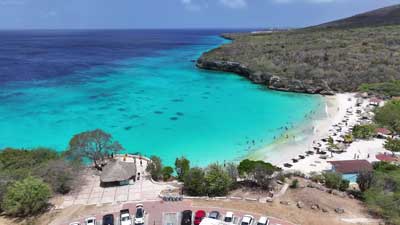 Aruba has become one of the safest, easiest, and most polished destinations in the Caribbean. The beaches are consistently beautiful, the weather is remarkably reliable, and the tourism infrastructure is excellent.
The downside is that Aruba’s popularity has pushed prices higher than almost anywhere else in the region. On recent high-season dates I checked, a room at Eagle Aruba Resort — a large beachfront property with strong reviews — was around $518 per night.
If you want a big, predictable beach-resort environment where everything runs smoothly, Aruba absolutely delivers. Many repeat visitors love it for exactly that reason.
But travelers who mainly want turquoise water and a relaxed Dutch-Caribbean feel should seriously consider Curaçao.
Curaçao shares many of Aruba’s strengths — colorful architecture, good infrastructure, friendly locals — but the island still has more independent hotels and smaller resorts. That keeps pricing much more competitive. On the same dates, Coral Estate Luxury Resort was around $222 per night, less than half the cost.
The beaches in Curaçao are often smaller coves rather than long stretches of sand, which some travelers actually prefer because they feel more intimate and less crowded.
If Aruba feels like the polished final version of a Caribbean vacation, Curaçao feels a little more relaxed and authentic — and often much cheaper.
2) Punta Cana → Consider Playa del Carmen or Cartagena
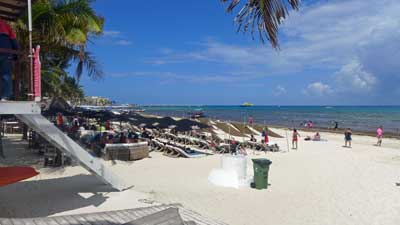 Punta Cana is one of the most successful resort destinations ever created.
The coastline is lined with nearly 100 massive all-inclusive resorts, many with huge pools, wide beaches, and enough restaurants and activities that you never need to leave the property. Service standards are high, and it’s especially good for families or multi-generational groups who want a stress-free vacation.
I often call it a “vacation factory,” and that’s not meant negatively — everything is designed to make your week easy.
The trade-off is that Punta Cana doesn’t offer much local atmosphere outside the resort compounds. If you enjoy exploring towns, wandering local restaurants, or feeling connected to the destination itself, it can feel a bit isolated.
Playa del Carmen (near Cancun in Mexico) offers a very different balance. You still get beaches and all-inclusive resorts, but there’s also a lively walkable downtown filled with restaurants, bars, and shops. You can easily mix resort relaxation with evenings out exploring.
Cartagena, Colombia adds an entirely different layer — a stunning colonial old town filled with colorful streets, plazas, and restaurants. Beach resorts nearby give you the same tropical comfort, but evenings feel far more memorable than returning to a closed resort compound.
Punta Cana is fantastic for pure relaxation. But if you want culture alongside comfort, these alternatives often feel richer.
3) Cancun’s Hotel Zone → Consider Isla Mujeres
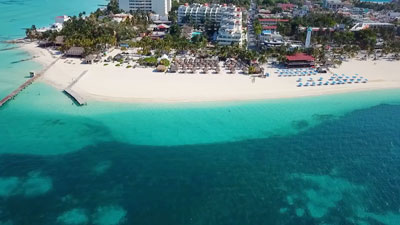 The Cancún Hotel Zone may have the most spectacular stretch of resort beach in the Caribbean.
The sand is powdery white, the water is almost unreal shades of blue, and many of the resorts are excellent. If your goal is to fly in, check into a beachfront hotel, and relax without moving around much, it’s hard to beat.
But the setting can feel surprisingly artificial once you’re there. The entire area was purpose-built for tourism in the 1970s. For miles, you’ll find large hotels on both sides of the road, with relatively few local businesses or neighborhoods in between.
You can visit nightlife and shopping areas by taxi, but outside those zones it isn’t especially walkable. Many visitors end up spending almost all their time at their resort simply because there’s nowhere else nearby to stroll.
A short ferry ride away, Isla Mujeres feels completely different.
The island has a compact town center, small beach bars, local restaurants, and a genuinely relaxed rhythm. You can rent a golf cart or bike, explore at your own pace, and still enjoy one of the most photogenic beaches in the region.
If you like the idea of Cancun’s beaches but want a place that feels more human-scale, Isla Mujeres often delivers a better overall experience.
4) St. Thomas → Consider St. John
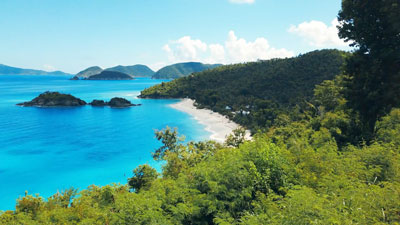 St. Thomas is one of the most accessible Caribbean islands for Americans, but its character has changed over the years.
Hurricane Irma in 2017 damaged many smaller and more affordable hotels, and many never reopened. As a result, today’s hotel landscape leans toward larger and pricier properties.
The island’s main town, Charlotte Amalie, still looks charming from a distance. But once you start walking around, you’ll notice that much of the shopping area is dominated by jewelry stores and duty-free shops aimed at cruise passengers who only stay a few hours.
If you’re actually looking for jewelry deals, that’s great. But travelers hoping for a relaxed Caribbean town atmosphere can find it surprisingly commercial.
Just four miles away by ferry is St. John — and it feels like a different world.
About two-thirds of St. John is protected as Virgin Islands National Park, which limits development and preserves dramatic scenery. Beaches are quieter, the island feels more natural, and the overall pace is slower.
St. Thomas is convenient and easy. But if you’re after scenery, calm beaches, and a timeless Caribbean feel, St. John is often worth the extra step.
5) St. Maarten → Consider Anguilla
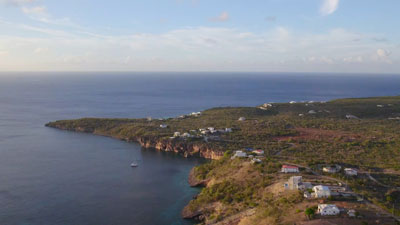 St. Maarten is famous for its split Dutch and French identity and for the dramatic plane landings at Maho Beach.
It’s lively, energetic, and easy to reach. Cruise traffic, however, shapes much of the experience. On busy days, thousands of cruise visitors spread across beaches and shopping areas, which can make the island feel crowded.
If you enjoy activity and nightlife, that may be a plus.
But travelers looking for serenity often prefer nearby Anguilla.
Anguilla is quieter, less developed, and far less cruise-driven. Its beaches are consistently ranked among the best in the Caribbean, and the overall feel is relaxed and upscale without being flashy.
It’s generally more expensive than St. Maarten, but what you’re paying for is space and tranquility.
6) Montego Bay or Ocho Rios → Consider Negril
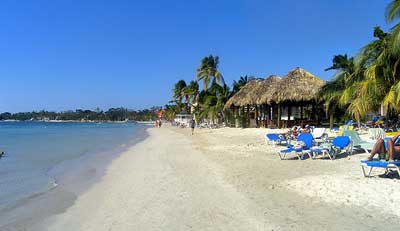 Montego Bay and Ocho Rios are major tourism hubs filled with large all-inclusive resorts, including several well-known properties.
If your plan is to stay at a resort and enjoy organized excursions, these areas can work very well.
Where expectations sometimes clash with reality is around the towns themselves. The tourist zones can feel heavily commercial and sometimes aggressive with vendors, especially compared to quieter islands.
On Jamaica’s west coast, Negril offers a very different atmosphere.
Seven Mile Beach is lined with smaller hotels, casual restaurants, and beach bars where you can walk directly from place to place. Sunset walks, cliffside bars, and a more relaxed energy make it feel more immersive without losing Jamaica’s personality.
If you want everything contained, the north coast is fine. But for atmosphere and character, many travelers end up preferring Negril.
7) Paradise Island → Consider the Out Islands of the Bahamas
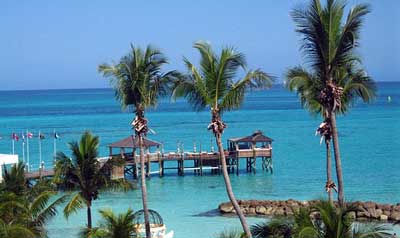 Paradise Island is dominated by Atlantis Paradise Island, one of the most famous resorts in the Caribbean.
The complex is enormous — five hotels, thousands of rooms, a huge water park, and world-class marine exhibits. For families or travelers who want nonstop entertainment, it’s undeniably impressive.
It’s also extremely busy and expensive. On recent high-season dates, even entry-level rooms were over $700 per night, and since it isn’t all-inclusive, costs climb quickly.
Paradise Island sits next to Nassau, one of the busiest cruise ports in the Caribbean, which adds to the overall energy and crowds.
If your vision of the Bahamas involves quiet beaches and turquoise water stretching forever, the real magic often lies elsewhere.
Exuma, Harbour Island, and other Out Islands offer slower rhythms, less development, and some of the most striking water colors anywhere in the region.
Paradise Island isn’t wrong — it’s just one very specific experience. The quieter Bahamas often feels closer to what people imagined in the first place.
Final Thoughts
Every destination on this list works well for somebody. The point isn’t to avoid famous islands altogether.
It’s to recognize the trade-offs.
Sometimes the best trip comes from choosing the slightly less obvious option — the island that feels more relaxed, less crowded, or simply better aligned with what you actually want from your vacation.
If you’re interested in even more ideas like this, I also put together a video version of these comparisons, plus a guide to smaller boutique Caribbean resorts that don’t feel overbuilt.
As always, do a little research, understand the differences, and pick the version of the Caribbean that fits your trip — not just the one everyone else books first.