
What Does It Cost to Visit Europe’s Most Popular Cities in 2026? (13 City Comparison)
If you’re planning a trip to Europe, one of the biggest questions is simple: how much is it actually going to cost?
Prices vary a lot depending on where you go, and some of the differences might surprise you. In this guide, I’ve ranked 13 of Europe’s most popular cities from cheapest to most expensive based on realistic summer travel costs.
I’ve been publishing my Backpacker Index on PriceofTravel.com for over 15 years, and for this version I focused on what a typical visitor might spend in mid-July. Each daily total includes a centrally located 3-star hotel (split between two people), a casual lunch, a sit-down dinner, a one-day public transport pass, and admission to one of the city’s top attractions.
Some cities that used to be real bargains have gotten more expensive, while others are more reasonable than you might expect. Either way, the differences between the cheapest and most expensive cities on this list are huge.
Below, you’ll find all 13 cities ranked by total daily cost per person, along with current example prices to help you compare them.
12 (tied) – Budapest, Hungary
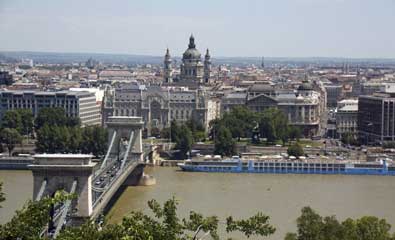 For most of the last 15 years, Budapest would have easily been the cheapest city on this list, but that’s no longer the case—especially in the busy summer months. Hotel prices have crept up quite a bit, which is the main reason it now shares the bottom spot instead of holding it outright.
That said, Budapest is still an excellent value overall and one of Europe’s most impressive capital cities. On my test date in July, a qualifying 3-star hotel in a central location comes in at about $105 per night for two people, or $53 per person. Meals are still very affordable here, with a casual lunch around $10 and a good sit-down dinner for about $22. A one-day public transport pass is about $7, and admission to the Hungarian National Gallery is around $16. All in, that brings the total to about $108 per person per day.
Even with higher hotel prices than in the past, Budapest is still a place where you can enjoy a lot without spending much. The architecture is stunning, the thermal baths are unique, and it’s easy to eat well on a modest budget, which helps keep the overall daily cost lower than most of the cities coming up.
Here’s how the daily cost breaks down:
🇭🇺 Budapest
🏨 Hotel (per person): $53
🚇 Transit: $7
🎟️ Hungarian National Gallery: $16
🥪 Lunch: $10
🍽️ Dinner: $22
💵 Total: $108 per person
12 (tied) – Prague, Czechia
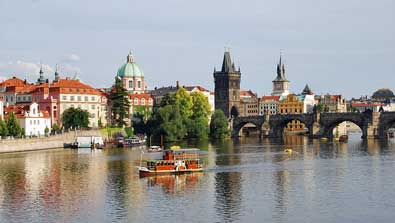 Prague has been famous for rising hotel prices in the summer for quite a while now, so it’s actually a bit surprising to see it tied with Budapest at the bottom of this list. Even so, it remains a very good value compared to most major European capitals, especially outside of peak tourist zones.
On my test date in July, a qualifying 3-star hotel in a central location comes in at about $96 per night for two people, or $48 per person. Food and drink prices are a bit higher than in Budapest, particularly in the most touristy areas, but you can still find a casual lunch for about $10 and a sit-down dinner for around $22. A one-day public transport pass is about $7, and admission to Prague Castle runs about $21. That brings the total to roughly $108 per person per day.
Even with the steady rise in hotel prices, Prague still feels like a relative bargain given how beautiful and walkable it is. Most of the main sights are clustered close together, and if you’re willing to step a few blocks away from the busiest areas, it’s still possible to enjoy the city without spending very much.
Here’s how the daily cost breaks down:
🇨🇿 Prague
🏨 Hotel (per person): $48
🚇 Transit: $7
🎟️ Prague Castle: $21
🥪 Lunch: $10
🍽️ Dinner: $22
💵 Total: $108 per person
11 – Berlin, Germany
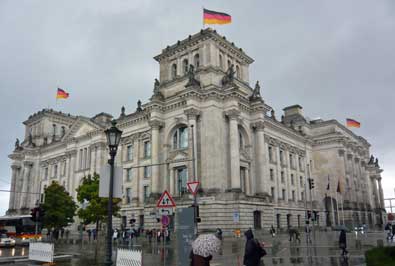 Berlin has long been known as one of Europe’s more affordable major capitals, so it might be a bit surprising to see it this far down the list. It’s still a good value overall, but prices—especially for hotels—have crept up over the years, and it no longer feels like the bargain it once was.
On my test date in July, a qualifying 3-star hotel in a central location comes in at about $118 per night for two people, or $59 per person. Food prices are still reasonable for a city of this size, with a casual lunch around $14 and a sit-down dinner for about $26. A one-day public transport pass costs about $10, and admission to Berlin Cathedral is around $17, bringing the total to roughly $126 per person per day.
One interesting shift over time is that the former East Berlin—once the cheaper side of the city—now contains many of the trendiest neighborhoods, while some of the better hotel deals can be found in the former West. Even with rising prices, Berlin still offers a lot for the money, especially considering its size, history, and cultural scene.
Here’s how the daily cost breaks down:
🇩🇪 Berlin
🏨 Hotel (per person): $59
🚇 Transit: $10
🎟️ Berlin Cathedral: $17
🥪 Lunch: $14
🍽️ Dinner: $26
💵 Total: $126 per person
10 – Lisbon, Portugal
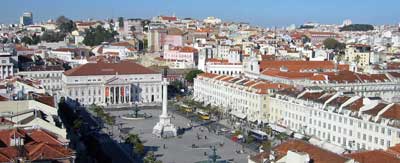 Lisbon has been one of Europe’s best travel bargains for many years, but that reputation has caught up with it. The city has become far more popular in the last decade, and hotel prices in particular have risen accordingly.
Even so, Lisbon still offers very good value compared to most Western European capitals. On my test date in July, a qualifying 3-star hotel in a central location comes in at about $128 per night for two people, or $64 per person. Food is still a strong point here, with a casual lunch around $12 and a sit-down dinner for about $25. A one-day public transport pass is about $8, and admission to Castelo de São Jorge is around $19, bringing the total to roughly $128 per person per day.
Lisbon may not be the hidden gem it once was, but it’s still a place where you can travel well without spending a fortune. The hills, viewpoints, and historic neighborhoods give it a lot of character, and it remains one of the more enjoyable and affordable cities in Western Europe.
Here’s how the daily cost breaks down:
🇵🇹 Lisbon
🏨 Hotel (per person): $64
🚇 Transit: $8
🎟️ Castelo de São Jorge: $19
🥪 Lunch: $12
🍽️ Dinner: $25
💵 Total: $128 per person
9 – Athens, Greece
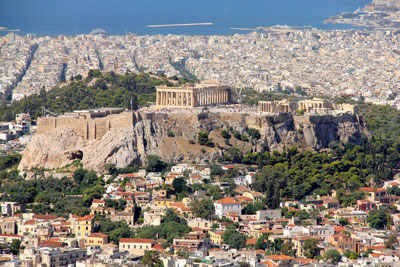 Athens is the last of the true bargains on this list before prices start rising more quickly. It has long been known as a good-value destination, and while costs have increased a bit in recent years, it still offers a lot for the money compared to most other European capitals.
On my test date in July, a qualifying 3-star hotel in a central location comes in at about $135 per night for two people, or $68 per person. Food is also quite affordable, with a casual lunch around $12 and a sit-down dinner for about $24. A one-day public transport pass is only about $5, which is one of the cheapest on this list. The main drawback is that major attractions have gotten more expensive—the Acropolis is now about $34 to enter—which brings the total to roughly $143 per person per day.
Even with higher attraction prices, Athens still feels like a good deal overall. The history is unmatched, the food is excellent, and the relatively low daily costs make it an appealing option for travelers who want a classic European experience without Western Europe prices.
Here’s how the daily cost breaks down:
🇬🇷 Athens
🏨 Hotel (per person): $68
🚇 Transit: $5
🎟️ Acropolis: $34
🥪 Lunch: $12
🍽️ Dinner: $24
💵 Total: $143 per person
8 – Rome, Italy
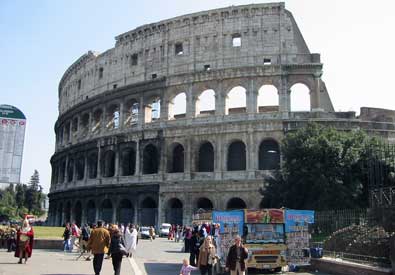 Rome is one of those cities that many people expect to be near the top of a list like this, but it actually comes in a bit lower than you might think. Hotel prices have risen over the past decade, but they’re still reasonable compared to some of the cities coming up.
On my test date in July, a qualifying 3-star hotel in a central location comes in at about $138 per night for two people, or $69 per person. Food is a bit more expensive than in Athens, with a casual lunch around $16 and a sit-down dinner for about $32. A one-day public transport pass costs about $9, and admission to the Colosseum and Ancient Rome complex is around $20. That brings the total to roughly $146 per person per day.
Rome still offers very good value considering the sheer number of world-class sights. You can spend days exploring historic landmarks, and even though it’s a busy and sometimes chaotic city, it remains a must-visit destination that isn’t quite as expensive as many expect.
Here’s how the daily cost breaks down:
🇮🇹 Rome
🏨 Hotel (per person): $69
🚇 Transit: $9
🎟️ Colosseum: $20
🥪 Lunch: $16
🍽️ Dinner: $32
💵 Total: $146 per person
7 – Paris, France
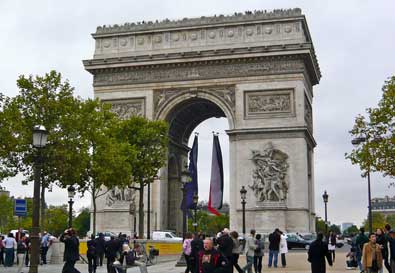 Paris lands right in the middle of this list, which may surprise travelers who expect it to be among the most expensive cities in Europe. While prices have certainly risen—especially for attractions—it’s still possible to visit Paris without spending as much as you might think.
On my test date in July, a qualifying 3-star hotel in a good location comes in at about $146 per night for two people, or $73 per person. Food prices are moderate, with a casual lunch around $14 and a sit-down dinner for about $28. A one-day public transport pass is about $13, and admission to the Louvre is now about $37 for non-European visitors. That brings the total to roughly $165 per person per day.
Paris is a good example of how attraction prices have increased in recent years, but the city still offers a wide range of experiences, and you can manage costs by choosing where to splurge. Even with higher entry fees, it remains more affordable overall than several cities that follow.
Here’s how the daily cost breaks down:
🇫🇷 Paris
🏨 Hotel (per person): $73
🚇 Transit: $13
🎟️ Louvre Museum: $37
🥪 Lunch: $14
🍽️ Dinner: $28
💵 Total: $165 per person
6 – Amsterdam, Netherlands
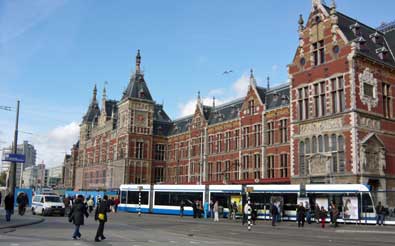 Amsterdam is another city where hotel prices have climbed significantly over the years, which is the main reason it ranks this high. Once you’ve secured a place to stay, however, the rest of the daily costs are fairly reasonable by Western European standards.
On my test date in July, a qualifying 3-star hotel in a central location comes in at about $180 per night for two people, or $90 per person. Food prices are moderate, with a casual lunch around $16 and a sit-down dinner for about $32. A one-day public transport pass costs about $10, and admission to the Anne Frank House is about $19. That brings the total to roughly $167 per person per day.
Amsterdam is compact and easy to get around, and while it’s not cheap, it offers a lot of value once you’re there. The canals, museums, and walkable layout make it an efficient and enjoyable place to visit.
Here’s how the daily cost breaks down:
🇳🇱 Amsterdam
🏨 Hotel (per person): $90
🚇 Transit: $10
🎟️ Anne Frank House: $19
🥪 Lunch: $16
🍽️ Dinner: $32
💵 Total: $167 per person
5 – Barcelona, Spain
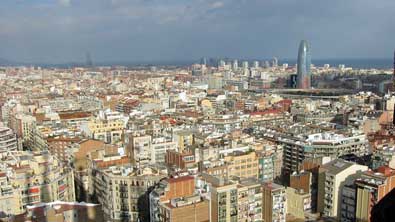 Barcelona has become one of Europe’s most popular tourist destinations, and that demand has pushed prices up noticeably, especially for centrally located hotels. It’s no longer the bargain it once was compared to other Spanish cities.
On my test date in July, a qualifying 3-star hotel near the Sagrada Familia comes in at about $162 per night for two people, or $81 per person. Food prices are reasonable, with a casual lunch around $15 and a sit-down dinner for about $30. A one-day public transport pass is about $12, and admission to the Sagrada Familia is around $29. That brings the total to roughly $167 per person per day.
Despite the rising costs, Barcelona remains a vibrant and appealing destination. The architecture, beaches, and energy of the city continue to attract huge numbers of visitors, even as prices have climbed.
Here’s how the daily cost breaks down:
🇪🇸 Barcelona
🏨 Hotel (per person): $81
🚇 Transit: $12
🎟️ Sagrada Familia: $29
🥪 Lunch: $15
🍽️ Dinner: $30
💵 Total: $167 per person
4 – Venice, Italy
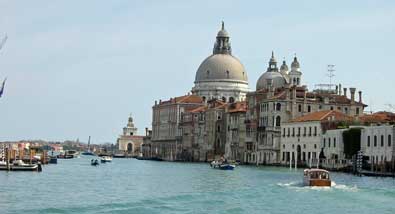 Venice is a bit of a surprise on this list because it used to rank among the most expensive cities in Europe. Hotel prices near the main tourist areas have come down somewhat in recent years, which helps bring the overall daily cost closer to cities like Barcelona and Amsterdam.
On my test date in July, a qualifying 3-star hotel in a central location comes in at about $164 per night for two people, or $82 per person. Food is on the expensive side, with a casual lunch around $18 and a sit-down dinner for about $35. Public transport isn’t included in this estimate since most visitors get around on foot. Admission to Doge’s Palace is about $33, bringing the total to roughly $168 per person per day.
Venice is still not a cheap destination, especially when it comes to food, but the unique setting makes it worth the cost for most visitors. Even a short stay here can be memorable, and the overall cost is now more reasonable than it used to be.
Here’s how the daily cost breaks down:
🇮🇹 Venice
🏨 Hotel (per person): $82
🚇 Transit: $0
🎟️ Doge’s Palace: $33
🥪 Lunch: $18
🍽️ Dinner: $35
💵 Total: $168 per person
3 – Copenhagen, Denmark
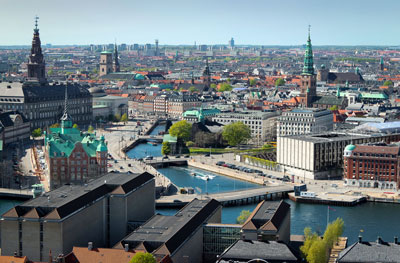 Copenhagen is one of the clearest examples of how Northern European cities become much more expensive in the summer. While it used to rank closer to mid-range destinations, peak-season pricing now pushes it near the top of the list.
On my test date in July, a qualifying 3-star hotel comes in at about $190 per night for two people, or $95 per person. Food and drink prices are also quite high, with a casual lunch around $18 and a sit-down dinner for about $35. A one-day public transport pass costs about $15, and admission to Amalienborg Palace is about $17. That brings the total to roughly $180 per person per day.
Copenhagen and London come in at very similar price levels, but the combination of higher hotel costs and expensive dining pushes Copenhagen just slightly above many other major cities. It’s a beautiful and well-organized city, but visitors should be prepared for higher daily expenses.
Here’s how the daily cost breaks down:
🇩🇰 Copenhagen
🏨 Hotel (per person): $95
🚇 Transit: $15
🎟️ Amalienborg Palace: $17
🥪 Lunch: $18
🍽️ Dinner: $35
💵 Total: $180 per person
2 – London, England
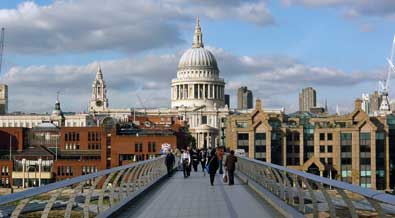 London has long been known as one of Europe’s more expensive cities, and while hotel prices aren’t as extreme as you might expect, it’s the day-to-day costs that really add up here.
On my test date in July, a qualifying 3-star hotel near the British Museum comes in at about $154 per night for two people, or $77 per person. Food prices are noticeably higher than in most of the cities we’ve covered, with a casual lunch around $15 and a sit-down dinner for about $30. A one-day public transport pass is about $12, and admission to the Tower of London is now about $49. That brings the total to roughly $183 per person per day.
One advantage London does have is that many of its major museums are free, which can help offset some of the higher costs. Even so, it’s the cumulative effect of food, transport, and attraction prices that makes London feel more expensive overall.
Here’s how the daily cost breaks down:
🇬🇧 London
🏨 Hotel (per person): $77
🚇 Transit: $12
🎟️ Tower of London: $49
🥪 Lunch: $15
🍽️ Dinner: $30
💵 Total: $183 per person
1 – Zurich, Switzerland
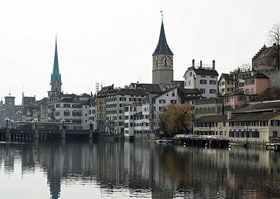 Zurich is in a category of its own when it comes to cost. It’s not just slightly more expensive than the other cities on this list—it’s significantly more expensive across almost every category.
On my test date in July, a qualifying 3-star hotel comes in at about $304 per night for two people, or $152 per person. Food prices are also very high, with a casual lunch around $25 and a sit-down dinner for about $45. A one-day public transport pass is about $9, and admission to the Swiss National Museum is about $17. That brings the total to roughly $248 per person per day.
It’s worth noting that this isn’t just a Zurich issue—most of Switzerland is similarly expensive. That said, the country is also incredibly beautiful, and for travelers who can afford it, the experience can be well worth the price. For everyone else, it’s a place where costs can add up very quickly.
Here’s how the daily cost breaks down:
🇨🇭 Zurich
🏨 Hotel (per person): $152
🚇 Transit: $9
🎟️ Swiss National Museum: $17
🥪 Lunch: $25
🍽️ Dinner: $45
💵 Total: $248 per person
Final thoughts
As you can see, the cost differences between Europe’s most popular cities can be huge, especially during the busy summer season. While cities like Budapest and Prague still offer excellent value, places like London, Copenhagen, and especially Zurich are in a completely different price range.
That doesn’t mean you should avoid the more expensive destinations—it just means it’s worth planning accordingly. In many cases, you can balance your budget by mixing a higher-cost city with a more affordable one on the same trip, which is one of the easiest ways to keep overall costs under control.
If you’re still deciding where to go, you might also want to check out my guides on the best Europe itineraries for first-time visitors and the best places to visit in Europe by month, which can help you match your destination with both your budget and the best weather.