
9 Overcrowded European Destinations That Are Still Worth Visiting
Overtourism has become one of the biggest travel topics in Europe over the last few years. Cities such as Venice, Barcelona, and Amsterdam are struggling with record visitor numbers, and social media is full of advice about places to avoid.
The reality is that some destinations become crowded because they are genuinely amazing. Rather than skipping them entirely, the better strategy is usually to visit smarter by choosing the right season, staying in the right neighborhood, and planning your sightseeing around the busiest hours.
Here are nine European destinations that are often criticized for their crowds, along with some tips that can help you enjoy them at their best.
1. Venice – Europe's Most Unique City
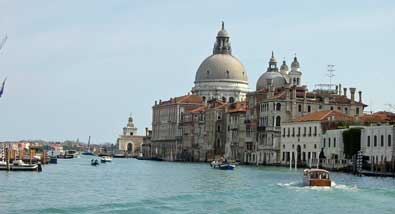 Venice has become one of the most frequently cited examples of overtourism in Europe, and for good reason. On a typical summer day, the narrow lanes between St. Mark’s Square and the Rialto Bridge can feel packed with visitors from morning until late afternoon. Social media is full of videos showing shoulder-to-shoulder crowds, and many travelers now wonder if Venice has become too crowded to enjoy.
Part of the challenge is that Venice is relatively small. Unlike Paris, London, or Rome, where visitors are spread across large metropolitan areas, Venice’s main sights are concentrated on a collection of islands connected by footbridges and canals. Most visitors end up following very similar routes, especially around St. Mark’s Square, the Doge’s Palace, and the Rialto Bridge.
Despite the crowds, Venice remains one of the most remarkable destinations on earth. There are no roads, no cars, and no buses in the historic center. Instead, nearly every journey involves crossing bridges, following narrow alleyways, or gliding along canals. The city feels completely different from every other major destination in Europe, which helps explain why visitors have been coming here for centuries.
What many first-time visitors don’t realize is that Venice is far more than its famous landmarks. Some of the best moments come from wandering away from the busiest areas and discovering quiet canals, hidden squares, and residential neighborhoods that feel almost untouched by tourism. Even after several visits, I still find Venice fascinating because it rewards curiosity better than almost any other city in Europe.
TIP: Stay On The Main Island For 2 Nights
The single best way to enjoy Venice is to stay on the historic islands rather than booking a cheaper hotel on the mainland. Many visitors stay in Mestre or arrive on day trips, which means the crowds tend to arrive around mid-morning and begin thinning out by late afternoon.
If you stay on the islands themselves, you’ll get to experience Venice during its most magical hours. Early mornings are surprisingly peaceful, with quiet canals and empty lanes replacing the crowds that arrive later in the day. The evenings are equally rewarding as many visitors head back to the mainland and the city becomes noticeably calmer.
Venice is one of the few places in Europe where spending a little more on accommodations can dramatically improve the entire experience. Staying for at least two nights allows you to enjoy multiple mornings and evenings when the city feels far more relaxed, making it much easier to appreciate why Venice remains one of Europe’s most unforgettable destinations.
2. Santorini – Greece's Most Spectacular Island
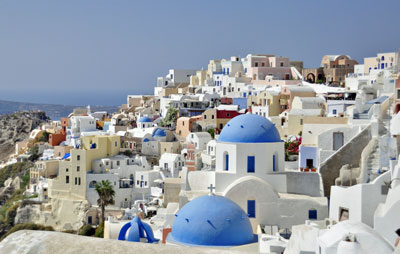 Santorini has become one of the most photographed destinations in the world, which means it has also become one of Europe’s most crowded. During the summer months, thousands of visitors arrive each day on cruise ships, joining the travelers already staying in hotels around the island. The narrow lanes of Oia and Fira can become especially crowded during the middle of the day and around sunset, when everyone is trying to capture the same famous views.
The crowds are easy to understand once you arrive. Santorini doesn’t really look like any other Greek island. The volcanic caldera, dramatic cliffs, and whitewashed villages perched high above the sea create one of the most spectacular landscapes in Europe. Many destinations look slightly less impressive than their photos suggest, but Santorini is one of the rare places where the reality often exceeds expectations.
Even people who have visited many of the other Greek islands usually agree that Santorini is special. The beaches may not be the best in Greece and the prices are certainly among the highest, but the scenery is so unique that most visitors leave feeling that the trip was worthwhile. That’s why so many travelers return home and immediately start recommending it to friends and family.
TIP: Check Cruise Schedules on cruisemapper.com Before Booking
Most visitors know that summer is the busiest season in Santorini, but far fewer realize that crowd levels vary dramatically depending on how many cruise ships are anchored offshore each day. Cruise schedules are published months in advance, and websites such as CruiseMapper.com make it easy to see how many ships will be visiting during your stay.
On some summer days there may be only one or two smaller ships in port, while on others there can be five or more large vessels delivering thousands of additional visitors to the island. Choosing your dates carefully can make a surprising difference, especially in the busiest areas around Oia and Fira.
The other key is to stay for at least a few nights rather than treating Santorini as a quick stop. Most cruise passengers are only on the island for a few hours, so the mornings and evenings tend to be much more relaxed. If you can combine an overnight stay with a period when fewer ships are visiting, you’ll enjoy many of the same famous views with far fewer people competing for them.
3. Paris – The World's Most Famous City
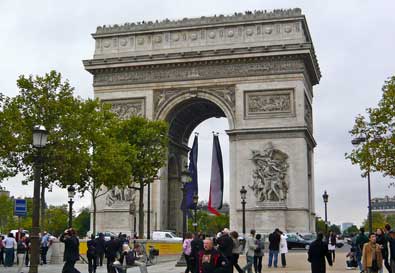 Paris has been one of the world’s most visited cities for generations, so it should come as no surprise that many of its most famous attractions can feel crowded, especially during the summer months. The lines at the Eiffel Tower, the Louvre, and other major sights are legendary, and hotel prices in the most convenient neighborhoods can be surprisingly high during much of the year.
The reality, however, is that Paris remains one of those rare destinations that nearly lives up to every expectation. Even after several visits, I still find myself impressed by the architecture, the grand boulevards, the neighborhood cafés, and the sheer number of famous landmarks packed into a relatively compact area. Unlike many cities where the main sights are spread far apart, Paris feels like a place where you are constantly stumbling across something interesting while simply walking from one neighborhood to another.
Another reason Paris remains so popular is that it offers far more than the famous attractions that appear in every guidebook. Some visitors spend most of their time at museums and monuments, while others are perfectly happy wandering through markets, sitting in cafés, and exploring neighborhoods such as Le Marais or Saint-Germain-des-Prés. The city rewards repeat visits because there always seems to be another corner worth discovering.
Most travelers assume that summer is always the busiest and most expensive time to visit Paris, but there is one notable exception. France takes its summer holidays seriously, and many offices close for much of August. As a result, a large number of business travelers disappear and many Parisians leave the city for vacations elsewhere.
TIP: Visit In Mid-August
The period surrounding August 15, which is the Assumption Day holiday in France, can be especially interesting for visitors. While some local businesses may close or operate on reduced schedules, the major tourist attractions remain open and the city often feels noticeably less crowded than it does during other summer weeks.
An additional benefit is that hotel prices can be surprisingly reasonable. Some of the nicer centrally located hotels that charge premium rates during spring and early fall become much more affordable during the middle of August. If your schedule allows it, this can be one of the best opportunities of the year to enjoy Paris with somewhat smaller crowds and significantly better hotel value.
4. Amsterdam – Beautiful but Surprisingly Expensive
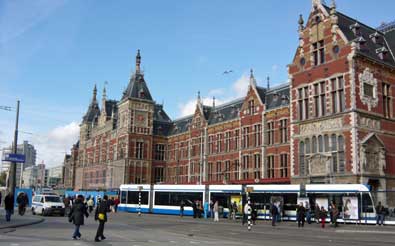 Amsterdam has always been one of Europe’s most popular city destinations, but in recent years it has become remarkably expensive as well. Hotel prices in the historic center have climbed dramatically, especially during the warmer months, and many visitors are shocked to discover that even fairly ordinary rooms can cost $300 or $400 per night. At the same time, the city’s most famous areas are often packed with tourists throughout much of the year.
Part of Amsterdam’s popularity comes from the fact that it is simply one of Europe’s most beautiful cities. The historic canal ring is lined with elegant townhouses, the museums are among the best on the continent, and the city is compact enough that most of the major sights are within walking distance of one another. Add in a relaxed atmosphere and excellent public transportation, and it’s easy to understand why so many travelers fall in love with the place.
Amsterdam also rewards slower travel better than many other European capitals. Some visitors arrive with a checklist that includes the Anne Frank House, the Rijksmuseum, and a canal cruise, but many of the city’s best moments come from wandering through residential neighborhoods, sitting at canal-side cafés, or simply watching daily life unfold along the water. It remains one of the most pleasant cities in Europe to explore on foot.
The biggest mistake many visitors make is assuming they need to stay within Amsterdam’s canal ring to have a good trip. While that sounds convenient in theory, it often means paying extremely high hotel prices or settling for a very small room in a heavily touristy area.
TIP: Stay In Haarlem Instead
A much better alternative is the nearby city of Haarlem, which is only about 16 minutes from Amsterdam Centraal Station by train. Haarlem has its own beautiful historic center, attractive canals, excellent restaurants, and a much more relaxed atmosphere. In many cases, you’ll find significantly better hotels for the same price you’d pay for a small room in central Amsterdam.
The train connection is so quick and easy that many travelers find Haarlem more convenient than staying in a distant Amsterdam suburb. You can spend your days enjoying Amsterdam’s museums and famous sights, then return each evening to a quieter city with lower prices and fewer crowds. For many visitors, Haarlem ends up becoming one of the unexpected highlights of the trip itself.
5. Cinque Terre – Five Villages Straight Out of a Postcard
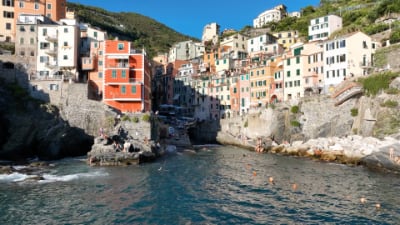 Even if you’ve never heard the name Cinque Terre before, you’ve almost certainly seen photographs of it. The five colorful villages perched along Italy’s rugged Ligurian coastline have become some of the most recognizable images in European travel, and that popularity has brought enormous crowds during much of the year. Summer is the busiest season, but even the shoulder months can feel surprisingly crowded as visitors arrive from cruise ships, nearby resorts, and day trips from Florence and other parts of northern Italy.
The appeal becomes obvious as soon as you arrive. Each of the five villages has its own personality, but all of them combine dramatic coastal scenery, colorful buildings, small harbors, and a relaxed atmosphere that feels very different from Italy’s larger cities. The hiking trails connecting the villages provide spectacular views when they are open, and the short train rides between them make it easy to explore several in a single day.
Unlike some destinations that struggle to live up to their social media reputation, Cinque Terre is every bit as beautiful in person as it appears in photographs. The villages seem almost too picturesque to be real, especially in the early morning or late afternoon when the light is softer and the crowds are thinner. It’s one of those places where you find yourself stopping every few minutes to take another photograph because the scenery keeps getting better around the next corner.
Many visitors experience Cinque Terre as a day trip, often arriving from Florence in the morning and leaving again in the late afternoon. Others stay in nearby La Spezia or Pisa, where hotel options are more plentiful and often cheaper. While those approaches are understandable, they also mean experiencing the villages at their busiest.
TIP: Stay Overnight In The Villages
If your budget allows, try to spend at least one night in one of the five villages themselves. Vernazza is probably the most photogenic of the group, although all five have their fans. Once the day-trippers leave, the atmosphere changes dramatically. The restaurants become quieter, the small lanes are easier to explore, and the entire place feels more relaxed.
One of my favorite travel memories in Italy was staying overnight in Vernazza and walking around after most of the visitors had gone home. The harbor that appears in so many famous photographs looked even better in person, and it felt almost magical compared to the crowded daytime hours. Spending the night allows you to enjoy both the peaceful evenings and the quieter mornings before the next wave of visitors arrives.
6. Dubrovnik – Croatia's Most Beautiful City
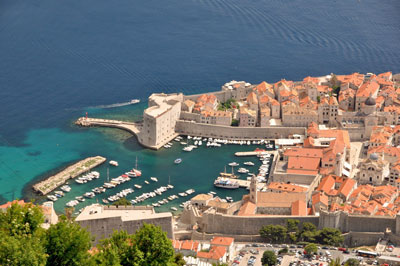 Dubrovnik has become one of Europe’s most famous destinations over the last couple of decades, and its popularity has brought predictable complaints about crowds. During the summer months, the narrow lanes within the walled city can become packed with visitors, and the city’s fame as a filming location has only increased demand. Add in cruise ships and beach vacationers staying elsewhere along the coast, and it’s easy to understand why some travelers wonder if Dubrovnik is worth the hassle.
In my opinion, it absolutely is. Dubrovnik occupies one of the most spectacular settings of any city in Europe, with its medieval walls rising directly above the Adriatic Sea. The old town is remarkably well preserved, and simply walking through its limestone streets feels like stepping back in time. Unlike many historic centers that have been heavily modernized, Dubrovnik still retains much of the character that made it an important trading city for centuries.
One of the highlights is walking the city walls, which provide constantly changing views of the old town’s terracotta rooftops on one side and the deep blue Adriatic on the other. The nearby cable car adds another perspective entirely, allowing visitors to appreciate just how dramatic the setting really is. Even after seeing countless photographs, most first-time visitors are surprised by how beautiful Dubrovnik looks in person.
A large percentage of Dubrovnik’s daytime visitors either arrive on cruise ships or stay in one of the many beach areas located up and down the coast. This creates a predictable pattern where the old town becomes much busier during the middle of the day than it is in the mornings or evenings.
TIP: Choose Days With Fewer Ships
Cruise schedules are published well in advance, and websites such as CruiseMapper make it easy to see how many ships are expected on a given day. The difference between a day with one smaller ship and a day with five large ships can be dramatic. If your schedule is flexible, it’s worth paying attention to these arrival patterns when choosing your dates.
The other key is to stay as close to the old town as your budget allows. Whether you choose a small hotel inside the walls or one just outside the gates, you’ll have the opportunity to enjoy Dubrovnik during its quieter hours. Early mornings are ideal for walking the city walls, while evenings often feel much more relaxed after many of the day visitors have departed. Experiencing Dubrovnik during those quieter periods makes it much easier to understand why it has become one of Europe’s most beloved destinations.
7. Barcelona – Architecture, Beaches, and Big Crowds
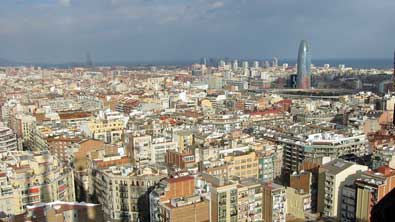 Barcelona has become one of the most frequently discussed cities in Europe when the topic of overtourism comes up. The combination of world-famous architecture, Mediterranean beaches, a vibrant nightlife scene, and excellent weather attracts millions of visitors each year. During the peak summer months, some of the city’s most famous areas can feel crowded from morning until late at night, and local frustrations about tourism have become a regular news story.
Despite those challenges, Barcelona remains one of the most rewarding cities in Europe. Few destinations can match the combination of cultural attractions and beach life that Barcelona offers. Visitors can spend the morning exploring architectural masterpieces, enjoy lunch at an outdoor café, and then relax on the beach later the same day. That versatility is a major reason why so many travelers return again and again.
The city’s architecture alone is worth the trip. Antoni Gaudí’s influence can be seen throughout Barcelona, from the unfinished Sagrada Família to the whimsical buildings and parks that have become symbols of the city. Even travelers who are not especially interested in architecture often find themselves impressed by how different Barcelona feels from every other major city in Europe.
Unlike some of the destinations on this list, Barcelona’s crowds are spread across a large metropolitan area rather than concentrated in a small historic center. That means you’ll encounter visitors throughout much of the city, especially around places such as the Sagrada Família, La Rambla, and Plaça de Catalunya. Those areas are popular for good reason, but they can feel overwhelming during the busiest summer weeks.
TIP: Come In June Or September
One of the easiest ways to improve your experience is to visit in June or September rather than July or August. The weather is still excellent, the beaches are still enjoyable, and the city retains its lively atmosphere. At the same time, you’ll generally encounter somewhat smaller crowds and avoid some of the hottest temperatures of the year.
If beach time isn’t important to you, Barcelona can be even more enjoyable during the spring or fall months. The city’s major attractions remain open year-round, outdoor dining is still pleasant much of the year, and you’ll have an easier time finding reasonably priced accommodations. Barcelona is popular because it genuinely offers a tremendous amount to visitors, but choosing the right season can make a significant difference in how much you enjoy it.
8. Rome – More Impressive Than You Expect
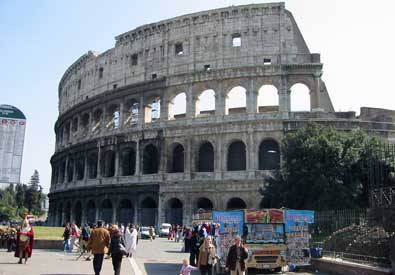 Rome attracts millions of visitors each year, and for many travelers it sits near the top of their European bucket list. As a result, the city’s most famous attractions can become extremely crowded, especially during the spring and summer months. The Colosseum, Vatican Museums, Trevi Fountain, and Pantheon all draw enormous numbers of visitors, and lines for popular attractions can stretch for hours during peak periods.
What makes Rome different from many other crowded destinations is that the city’s appeal extends far beyond its most famous landmarks. Of course, the Colosseum and Vatican are remarkable, but some of my favorite memories involve simply wandering through the historic center and stumbling upon beautiful piazzas, fountains, churches, and ancient ruins that aren’t necessarily listed at the top of every guidebook. Rome feels less like a collection of attractions and more like an open-air museum where history appears around almost every corner.
Another surprise for many first-time visitors is how beautiful Rome is. The city has a slightly chaotic reputation, and that reputation is deserved in some ways, but it also contains some of Europe’s most elegant public spaces. Whether you’re sitting in Piazza Navona, walking through Trastevere, or admiring the views from Capitoline Hill, Rome has a way of making ordinary walks feel memorable.
TIP: Reserve Attractions Months Ahead
The best strategy for dealing with Rome’s crowds is planning ahead. Many of the city’s most popular attractions now require timed-entry reservations or strongly encourage them, and waiting until you arrive can mean missing out entirely or spending far too much time standing in line.
For the Colosseum, Vatican Museums, Borghese Gallery, and other major sights, it’s often wise to book tickets weeks or even months in advance if you’re traveling during the busiest periods. Early morning entry times are usually the most desirable, although late afternoon visits can also be a good option as crowds begin to thin out.
Planning your sightseeing schedule in advance also allows you to structure your days more comfortably. Visit the major attractions when they first open or later in the afternoon, then spend the middle of the day enjoying a long lunch, relaxing at a café, or exploring some of Rome’s less crowded neighborhoods. Rome rewards travelers who slow down a little, and a good reservation strategy can dramatically reduce the stress that often comes with visiting one of Europe’s most popular cities.
9. Iceland – The Most Dramatic Scenery in Europe
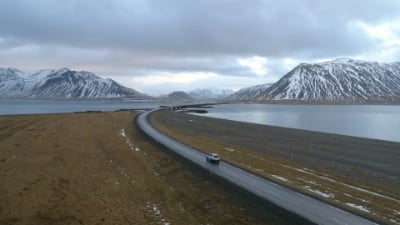 Iceland has become one of Europe’s hottest travel destinations over the last decade, and anyone who visits during the summer quickly understands why. The country is packed with waterfalls, glaciers, volcanoes, black-sand beaches, geothermal areas, and landscapes that often look more like another planet than a typical European destination. The challenge is that most visitors arrive through Reykjavík and Keflavík Airport, which means the most accessible attractions can become quite crowded during the short summer season.
The good news is that Iceland’s popularity is concentrated in a relatively small part of the country. Many first-time visitors focus on the famous Golden Circle route, which includes Þingvellir National Park, Gullfoss Waterfall, and the Geysir geothermal area. These are all worthwhile stops, but they are also where you’ll encounter some of the largest crowds.
What makes Iceland so special is that the dramatic scenery extends far beyond the most famous attractions. In many countries, the iconic sights are clearly the highlight of the trip. In Iceland, some of the most memorable moments happen while driving between destinations and unexpectedly discovering another waterfall, canyon, glacier lagoon, or volcanic landscape. The country feels almost endless in its variety, which is why so many visitors return home determined to come back for a longer trip.
TIP: Drive The Ring Road If Possible
If you only have a few days, renting a car and driving along Iceland’s southern coast is usually a much better experience than spending all of your time around Reykjavík. The farther you travel from the airport area, the thinner the crowds generally become while the scenery remains just as spectacular.
With four or five days, you can comfortably visit many of the highlights along the southern coast, including waterfalls, glacier views, black-sand beaches, and some of the country’s most famous landscapes. Many visitors consider this stretch of road to be one of the most scenic drives in Europe.
If you have a week or more, consider driving the entire Ring Road around the island. Once you get beyond the busiest areas in the southwest, traffic becomes surprisingly light and you’ll often feel as though you have vast stretches of the country almost to yourself. Iceland may be crowded in a handful of famous locations during summer, but the farther you explore, the easier it becomes to appreciate why so many travelers consider it one of the most extraordinary destinations in the world.
Final thoughts
Overtourism is a real issue in many parts of Europe, and some destinations are undeniably crowded during the busiest times of the year. However, avoiding famous places simply because they are popular often means missing some of the continent’s most memorable experiences.
The destinations on this list became famous for good reasons. Whether it’s the canals of Venice, the cliffs of Santorini, the streets of Paris, or the landscapes of Iceland, these are places that continue to inspire travelers from around the world.
The key is usually not avoiding them altogether, but visiting smarter. Choosing the right season, staying in the right location, and planning your sightseeing carefully can dramatically improve your experience while still allowing you to enjoy Europe’s most iconic destinations.
Have you visited any of the places on this list? I’d love to hear your own strategies for avoiding the crowds in the comments below.